
The business communication market shifts rapidly. Companies seeking competitive advantages must stay ahead of emerging unified communications platforms and technologies. As we approach 2026, several key trends reshape how organizations connect, collaborate, and serve customers.
Cloud-based unified communication systems now power everything from basic voice calls to complex omnichannel customer interactions. These UCaaS trends 2026 will define how businesses operate in an increasingly connected world.
Growth of Cloud-Based Communication
Cloud adoption in business communication technology accelerates beyond predictions. By 2026, over 85% of enterprises will operate entirely on cloud-based systems. This shift eliminates costly on-premise hardware while providing flexibility and scalability.
Small healthcare practices particularly benefit from this transition. A dental office can now access enterprise-level features through affordable monthly subscriptions. Leading Business Phone System Providers offer packages starting at just $20 per user, making advanced features accessible to businesses of any size.
The cloud enables instant updates and new feature rollouts without service interruptions. Teams access the same powerful tools whether working from headquarters or home offices.
AI-Powered Voice and Chat Support
Artificial intelligence revolutionizes customer interactions across unified communications platforms. Smart assistants handle routine inquiries, freeing human agents for complex issues. These AI systems learn from each interaction, improving accuracy and response times continuously.
Voice recognition accuracy now exceeds 95% in most business environments. Call routing becomes intelligent, directing customers to the right department based on spoken requests rather than confusing menu trees.
Real-time sentiment analysis alerts supervisors when calls require intervention. This proactive approach prevents escalations and improves customer satisfaction scores significantly.
Read More : How UCaaS and AI Voice Agents Work Together?
Rise of Hybrid and Remote Work Solutions
The future of UCaaS centers on flexibility. Employees expect consistent communication experiences regardless of location. Modern platforms deliver identical functionality on desktop, mobile, and web interfaces.
Video conferencing integrates seamlessly with voice and messaging channels. A team member can start a chat, escalate to voice, then add video without switching applications. This fluid transition keeps conversations flowing naturally.
Hot desking features allow employees to log into any phone and access their personal settings instantly. Healthcare clinics with rotating staff particularly value this capability.
Integration with CRM and Business Apps
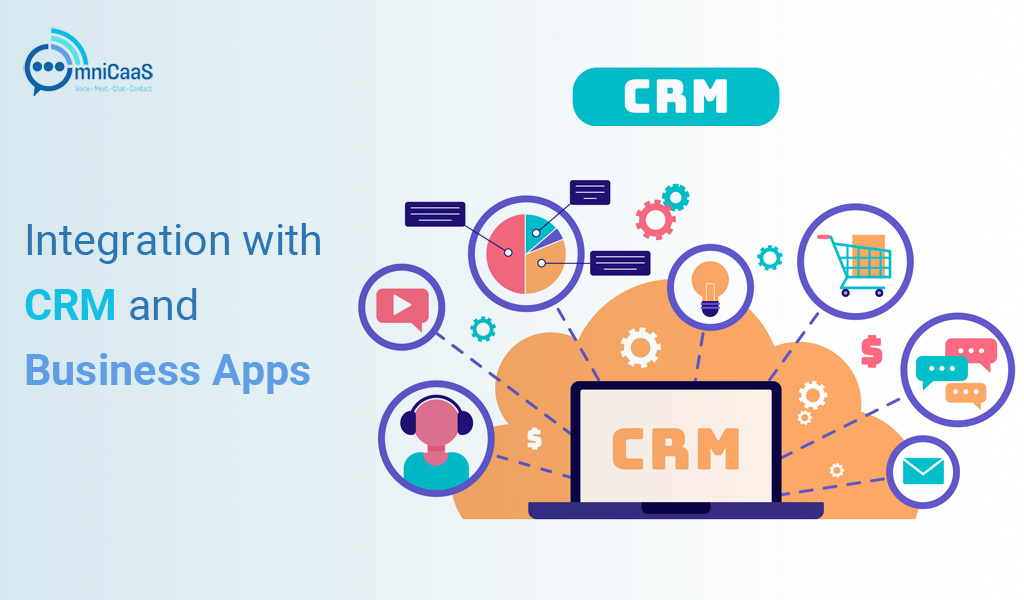
Unified Communication Systems no longer operate in isolation. Deep integrations with CRM platforms, project management tools, and industry-specific software create powerful workflows.
When a call arrives, agents see complete customer history, recent purchases, and open support tickets automatically. This context enables personalized service from the first hello.
Popular integrations include:
- Salesforce and HubSpot for sales teams
- Electronic health records for medical practices
- Scheduling systems for appointment-based businesses
- Accounting software for billing departments
Advanced Call Analytics and Reporting
Data drives modern business decisions. UCaaS platforms in 2026 provide granular insights into every communication channel. Managers track call volumes, response times, and customer satisfaction in real-time.
Advanced reporting reveals patterns humans might miss. Peak calling times, common customer issues, and agent performance metrics appear in customizable dashboards. These insights guide staffing decisions and training programs.
Predictive analytics forecast future call volumes based on historical data and external factors. This allows proactive staffing adjustments before busy periods hit.
Stronger Security and Compliance Features
Security concerns intensify as communication moves to the cloud. Leading providers respond with military-grade encryption and multi-factor authentication as standard features. HIPAA compliance tools protect sensitive healthcare communications automatically.
Regular security audits and certifications provide peace of mind. Automatic call recording with encrypted storage meets regulatory requirements across industries. Role-based access controls ensure employees only access appropriate features and data.
Omnichannel Communication Platforms
Customers communicate through their preferred channels. Modern UCaaS platforms unify voice, video, chat, SMS, email, and social media into single agent interfaces. Conversations flow seamlessly between channels without losing context.
A customer might start with a Facebook message, continue via SMS, then finish with a phone call. Agents see the complete interaction history regardless of channel switches. This consistency builds trust and reduces repetition.
Automation in Customer Support
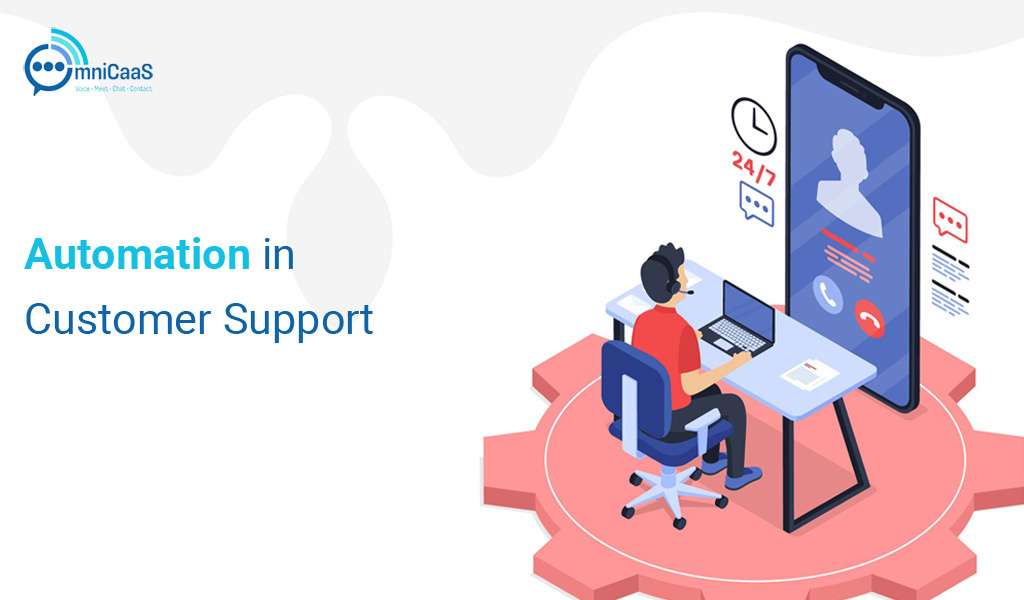
Intelligent automation handles routine tasks without replacing human connection. Appointment reminders, payment confirmations, and follow-up surveys run automatically. This frees staff to focus on relationship building and complex problem solving.
Cisco Unified Communications Manager (CUCM) and similar platforms offer visual workflow builders. Non-technical staff can create automation rules through simple drag-and-drop interfaces.
Common automations include:
- After-hours voicemail transcription and email delivery
- Automatic call distribution based on agent skills
- Customer callback scheduling during high-volume periods
- Post-call survey deployment
5G and Faster Connectivity Impact
5G networks enable crystal-clear voice and instant video connections from anywhere. Mobile workers experience office-quality communications without Wi-Fi dependencies. This reliability makes truly mobile workforces practical.
Reduced latency improves real-time collaboration tools. Screen sharing, file transfers, and video conferences feel instantaneous. Rural healthcare providers can now offer telemedicine services matching urban quality standards.
Cost-Effective Subscription Models
Predictable monthly pricing replaces large capital expenditures. Businesses scale user counts up or down based on seasonal needs. This flexibility particularly benefits growing companies and those with fluctuating staffing requirements.
Bundle pricing for voice, video, and messaging reduces total communication costs. Most providers offer free trials, allowing thorough testing before commitment. No long-term contracts mean switching providers if needs change.
Focus on Customer Experience
Every UCaaS trend ultimately serves customer experience improvement. Faster response times, personalized interactions, and consistent service across channels build loyalty. Modern platforms provide tools to exceed expectations at every touchpoint.
Customer process mapping identifies communication gaps. Businesses can then deploy targeted solutions like proactive chat invitations or callback options during wait times. These small improvements create significant competitive advantages.
Future of Unified Communications
Looking beyond 2026, unified communications platforms will become even more intelligent and integrated. Virtual reality meetings, real-time language translation, and predictive customer service will move from concepts to standard features.
The distinction between communication channels will continue blurring. Businesses will think conversations rather than calls, chats, or emails. This shift requires choosing platforms built for long-term adaptation.
Cloud communications trends point toward increased personalization, automation, and intelligence. Companies investing in modern UCaaS solutions today position themselves for tomorrow’s opportunities.
Ready to how these UCaaS trends can change your business communications? Contact OmniCaaS to discuss solutions tailored to your specific needs and industry requirements.
Post a Comment