
Key Takeaways
- For most US small and midsize businesses, an AI receptionist saves more money than a human answering service.
- Human answering services bill for agent time, so your costs climb every time call volume grows.
- An AI receptionist answers every call on the first ring, 24/7, with predictable monthly spending.
- Missed calls are the biggest hidden expense, since most callers who hit voicemail simply call a competitor.
- Human agents still win for emotional, complex, or high touch conversations that need genuine empathy.
- A hybrid model lets AI handle routine calls while real people manage sensitive or complicated ones.
- Connecting your receptionist with phone, fax, and video tools on one platform adds even more savings.
Picture a busy dental office in Columbus on a Monday morning. The phone rings while the front desk is checking in a patient. It rings again while someone is processing an insurance claim. By noon, six calls have gone to voicemail, and at least two of those callers have already booked with the practice down the street.
That scenario plays out thousands of times a day across the United States, and it’s why so many business owners are asking the same question: should I pay for a human answering service, or is an AI receptionist the smarter financial move?
I’ve spent years writing about business communication, and the honest answer is more interesting than “AI is always cheaper.” Let’s break down how each option works, the hidden expenses, and where each one actually earns its keep.
The Quick Answer
For most small and midsize businesses in the USA, an AI receptionist saves more money than a human answering service. The savings grow as call volume increases because AI handles more calls without adding more people, while human services bill for the time their agents spend on every call. Human answering services still make sense for highly emotional, complex, or sensitive conversations where empathy matters more than efficiency.
Now let’s look at why.
How Human Answering Services Charge You
Most human answering services in the US bill in one of three ways: by the minute, by the call, or through a monthly plan with a set allowance of minutes. On paper, these plans look simple. In practice, your bill is tied directly to how busy your phones are. A slow month feels affordable. A busy season, a marketing campaign that actually works, or a sudden wave of customer questions can push your bill much higher than expected.
On top of the base plan, many services add separate charges for things you might assume are included:
- After hours, weekend, and holiday coverage
- Appointment scheduling or calendar access
- Call patching or warm transfers
- Setup, onboarding, and script changes
- Overage minutes when you exceed your plan
Hiring an in house receptionist is often an even bigger commitment. Beyond wages, you’re paying payroll taxes, benefits, paid time off, and training. And even the best receptionist covers a limited number of hours each week and can only take one call at a time. When they’re on lunch, out sick, or helping a customer at the counter, calls still slip through.
How AI Receptionist Pricing Works
An AI receptionist works differently. Instead of paying for a person’s time, you’re paying for software that answers calls instantly, understands natural speech, books appointments, answers common questions, and routes urgent calls to the right person.
Most providers offer predictable monthly plans, which makes budgeting far easier. Because the AI can manage many conversations at once, a busy Monday doesn’t require extra staff or trigger surprise fees. Your cost stays steady while your capacity grows, and that’s where the real savings come from over time.
If you’re exploring options, an AI Receptionist for Business can handle unlimited simultaneous calls, which means no caller ever hears a busy signal or waits on hold during your Monday morning rush.
The Hidden Cost Nobody Talks About: Missed Calls
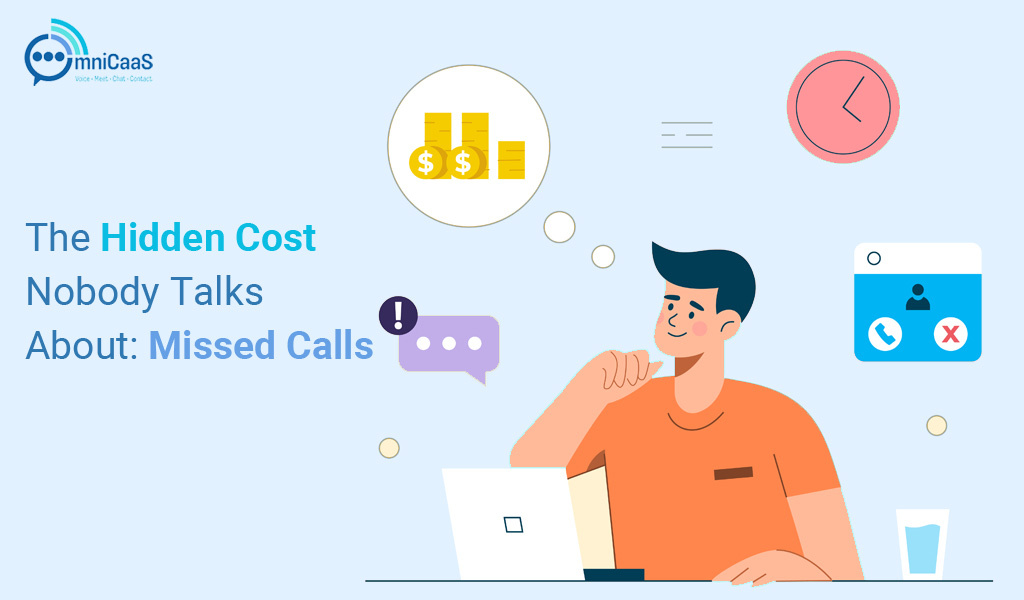
Here’s where the comparison gets really interesting. The monthly bill is only half the story. The bigger expense for most businesses is the revenue lost from calls that never get answered.
Many callers who reach voicemail won’t leave a message, and plenty won’t call back. They simply dial the next business on their search results. For a plumbing company, a law firm, or a medical clinic, one missed call can mean a lost job, a lost client, or a lost patient who might have stayed with you for years.
Human answering services reduce missed calls, but they aren’t perfect. Agents get overwhelmed during peak times, callers get put on hold, and some services limit how many calls they’ll take at once on smaller plans.
An AI receptionist answers every call on the first ring, 24/7, including 2 a.m. on Christmas morning. It doesn’t take sick days, it doesn’t need a lunch break, and it doesn’t get flustered when ten people call at once. When you factor in the revenue you keep instead of losing, the savings gap widens even further.
Where Human Answering Services Still Win
I’d be doing you a disservice if I pretended AI is the right answer for every situation. Human agents still have real advantages in a few areas.
Emotional conversations. A caller dealing with a family emergency, a grieving customer, or someone in a legal crisis often needs genuine human warmth. AI has gotten remarkably good at sounding natural, but it can’t truly empathize.
Highly complex problems. When a call involves unusual requests, negotiation, or judgment calls that fall outside any script, a trained person usually handles it better.
Brand positioning. Some luxury or boutique businesses build their reputation on personal service. For them, a human voice on every call is part of the product.
The smartest approach for many companies is a hybrid model. Let AI handle the bulk of routine calls, such as scheduling, hours, directions, service questions, and basic intake, then route the complex or sensitive ones to a real person. You get the efficiency of automation without sacrificing the human touch where it counts.
A Closer Look at Healthcare
Medical and dental practices are one of the clearest examples of where AI pays for itself quickly. Front desk teams at clinics spend a huge portion of their day on repetitive calls: confirming appointments, rescheduling, answering insurance questions, and giving directions.
Specialized AI voice agents for healthcare can take over appointment scheduling around the clock, send reminders that reduce missed appointments, and free up staff to focus on the patients standing in front of them. For a practice that regularly loses appointments to unanswered phones, the benefits tend to show up fast.
Just make sure any solution you choose is built with HIPAA compliance in mind and handles patient information securely.
Don’t Look at Your Receptionist in Isolation
One mistake I see business owners make is treating call answering as a separate expense from the rest of their communication tools. In reality, your receptionist, whether human or AI, works best when it’s connected to everything else.
Modern Business Phone Systems bring your calling, voicemail, call routing, and AI answering into one platform, so calls get transferred smoothly and nothing falls through the cracks. Many offices in legal, healthcare, and real estate still rely on faxed documents, and Fax to Email Communication Software lets those documents land straight in your inbox without an old fax machine eating up space and paper.
When a caller needs a deeper conversation, tools for Web & Video Collaboration make it easy to move from a quick phone call to a face to face meeting on screen. Providers like Omnicaas bundle these services together, which saves you from juggling separate vendors and gives you a single dashboard to manage it all.
Consolidating your tools is another quiet way to save money that doesn’t show up when you’re only comparing receptionist quotes.
How to Decide What’s Right for Your Business
Ask yourself these four questions:
- How many calls do you get each month? Higher volume favors AI because costs stay predictable.
- What share of your calls are routine? If most are scheduling or basic questions, AI can handle them easily.
- Do you need after hours coverage? AI provides it as part of the service, while human services usually charge a premium.
- How sensitive are your conversations? If many calls involve emotional or complex issues, consider a hybrid setup.
The Bottom Line
If saving money is your top priority, an AI receptionist wins for the vast majority of American small and midsize businesses. It keeps monthly spending predictable, never misses a call, works around the clock, and scales without surprise overage fees.
Human answering services still have a place, especially for emotionally complex or high touch conversations. But for everyday calls, AI simply makes more financial sense. Start by tracking how many calls you miss this month. Once you see what those missed calls are really costing you, the decision usually becomes a lot easier.
Post a Comment