

Key Takeaways
- First call resolution is a direct driver of customer satisfaction, loyalty, and operating cost, making it one of the most important metrics a contact center can track.
- AI improves FCR by giving agents real time context before the call even connects, so they are not starting the conversation blind.
- AI voice agents can independently resolve routine requests like scheduling, billing questions, and order status checks, freeing human agents to focus on complex issues.
- Predictive routing uses AI to match callers with the right agent on the first attempt, cutting down on transfers and repeated explanations.
- Real time agent assist tools surface answers and compliance steps mid call, reducing errors without putting the customer on hold.
- Unified data across voice, chat, email, and fax means agents always have full context, so customers never have to repeat themselves.
- AI only performs as well as the communication infrastructure behind it, which is why pairing AI tools with reliable phone systems and unified platforms matters just as much as the AI itself.
- Providers like Omnicaas bring phone systems, fax integration, unified communications, and AI voice agents together into one platform, making it easier for contact centers to improve FCR without stitching together disconnected tools.
When customers call, they want their problem solved, not bounced three times or told to call back tomorrow. First Call Resolution, or FCR, is one of the most scrutinized metrics in customer service because it influences customer satisfaction and loyalty as much as the cost of running a support operation. When agents solve a problem on the first attempt, customers stay happier and companies save money on repeat contacts.
Artificial intelligence is changing how contact centers approach this challenge. Rather than replacing human agents, AI is giving them sharper tools, faster answers, and a clearer picture of every customer they speak with. Below are five ways AI is genuinely moving the needle on first call resolution, along with a look at the communication infrastructure that makes these gains possible.
Why Does First Call Resolution Matter So Much
Every unresolved call creates a ripple effect. The customer has to explain their issue again, the company pays for another interaction, and trust in the brand quietly erodes. Studies across the customer service industry consistently link higher FCR rates to higher customer satisfaction scores and lower churn. For a contact center leader, improving FCR is rarely about working harder. It is about giving agents better information and better systems at the exact moment they need them.
This is where AI enters the picture, not as a replacement for human judgment but as an accelerant for it.
1. AI Gives Agents Real Time Context Before They Even Say Hello
One of the biggest reasons calls go unresolved is that agents start the conversation blind. They do not know the customer’s history, previous complaints, or what they already tried before dialing in.
AI powered systems now pull data from CRM platforms, past tickets, purchase history, and even prior call transcripts, then surface a summary to the agent in real time as the call connects. Instead of spending the first two minutes asking questions the customer has already answered elsewhere, the agent can jump straight into solving the actual problem.
This kind of intelligent routing and data assembly works best when it is built into modern Contact Center Tools that are designed to unify information across every channel a customer might use. When agents see the full picture instantly, resolution happens faster and customers feel heard rather than interrogated.
2. Conversational AI Voice Agents Handle Routine Issues Before a Human Is Needed
Not every call needs a live agent. Password resets, appointment scheduling, billing questions, and order status checks are predictable enough that AI can handle them from start to finish. Modern AI Voice Agents use natural language understanding to hold a genuinely conversational exchange with a caller, verify identity, pull account details, and complete the task without ever routing to a human queue.
This matters for FCR because it removes friction points where calls traditionally got stuck. A caller checking on an appointment does not need to wait on hold for an agent who then has to look up the same information a bot could have retrieved instantly. When AI voice agents resolve the simple stuff on the spot, human agents are freed up to focus on complex cases where their expertise actually adds value, and those calls get resolved more thoroughly too.
3. Predictive Routing Connects Callers to the Right Agent the First Time
A huge share of failed first call resolutions happens because the customer reaches an agent who simply is not equipped to solve their specific issue. The call gets transferred, the customer repeats themselves, and the clock keeps running.
AI driven routing engines analyze the nature of the call, the customer’s history, and the skill sets of available agents, then match the two automatically. Some systems even take into account sentiment inferred from the caller’s tone or word choices to prioritize escalations before frustration sets in. But that kind of smart matching requires a reliable network to underpin it. That’s why many contact centers combine predictive routing with reliable Business Phone Systems that can skill based call distribution without lag or dropped connections, so the AI’s routing decision actually translates into a smooth transfer.
4. Real Time Agent Assist Tools Reduce Errors and Guesswork Mid Call
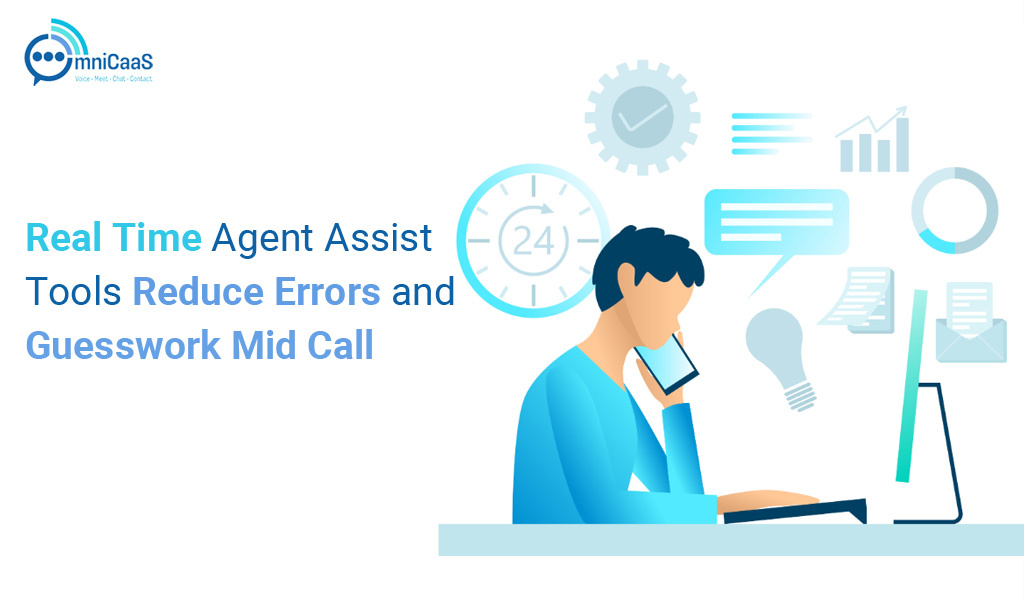
Even experienced agents sometimes hit a knowledge gap mid conversation. AI powered agent assist tools listen to the live call, transcribe it in real time, and surface relevant knowledge base articles, troubleshooting steps, or compliance reminders directly on the agent’s screen while they are still talking to the customer.
This eliminates the need to place a customer on hold to consult a supervisor or dig through outdated documentation. The agent gets the answer instantly and can deliver it without breaking the flow of the conversation. Because these assist tools often need to reference documents that arrive through multiple channels, including scanned forms or authorization paperwork, having a dependable Fax to Email Service integrated into the workflow lets agents pull up a faxed document alongside the AI’s live suggestions instead of hunting through a separate system or waiting on a physical fax machine.
5. Unified Data Across Channels Means No More Repeating Yourself
Customers rarely stick to one channel anymore. They might email a complaint, chat with a bot, then call to follow up, all within the same day. If those interactions live in separate silos, the calling agent has no idea what already happened and the customer has to start from zero, which is one of the fastest ways to blow a first call resolution.
AI thrives on unified data, and it can only unify what is actually connected. This is why the communication backbone behind a contact center matters as much as the AI layer sitting on top of it. Businesses operating across multiple locations, particularly in fast growing markets, are increasingly investing in Unified Communications Solutions in Florida and similar regional hubs to make sure voice, chat, email, and fax history all feed into one shared record. When AI has access to that complete history, it can brief the agent accurately and the agent can resolve the issue without asking the customer to repeat anything.
Bringing It All Together
AI is not a single feature you switch on. It is a layer of intelligence that becomes powerful only when it sits on top of a well connected communication system. Real time context, conversational voice agents, predictive routing, live agent assist, and unified cross channel data all work together to shrink the gap between a customer’s first word and a resolved problem.
Contact centers that see the biggest FCR improvements are usually the ones treating AI and infrastructure as a single investment rather than two separate projects. Providers like Omnicaas build that connective tissue, linking phone systems, fax integration, unified communications, and AI driven contact center tools into one coherent platform rather than a patchwork of disconnected apps.
Final Thought
First call resolution will keep rising as a priority metric because customers are not getting more patient, they are getting less so. The contact centers that adapt fastest will be the ones that let AI do what it does best, process information instantly and surface it at the right moment, while keeping human agents in the driver’s seat for judgment, empathy, and the final decision. Get that balance right and first call resolution stops being an aspirational number on a dashboard and starts becoming the everyday standard your customers simply expect.

Post a Comment