Local businesses compete on speed, responsiveness, and customer experience in 2026, not just price or quality. When they call a business, they want rapid answers, fast routing, and professional service. These expectations are difficult for traditional phone systems.
This is why AI phone systems are becoming the backbone of modern small business phone solutions. Businesses are replacing human call handling and obsolete PBX systems with intelligent cloud-based technologies that automate communication and boost efficiency.
Businesses can answer calls, route consumers, capture leads, and produce insights without adding people with AI-powered phone systems. VoIP and artificial intelligence provide reliable, scalable communication solutions that allow expansion in these systems.
For small businesses looking to stay competitive, business phone automation is no longer optional; it’s becoming essential.
What Is an AI Phone System?
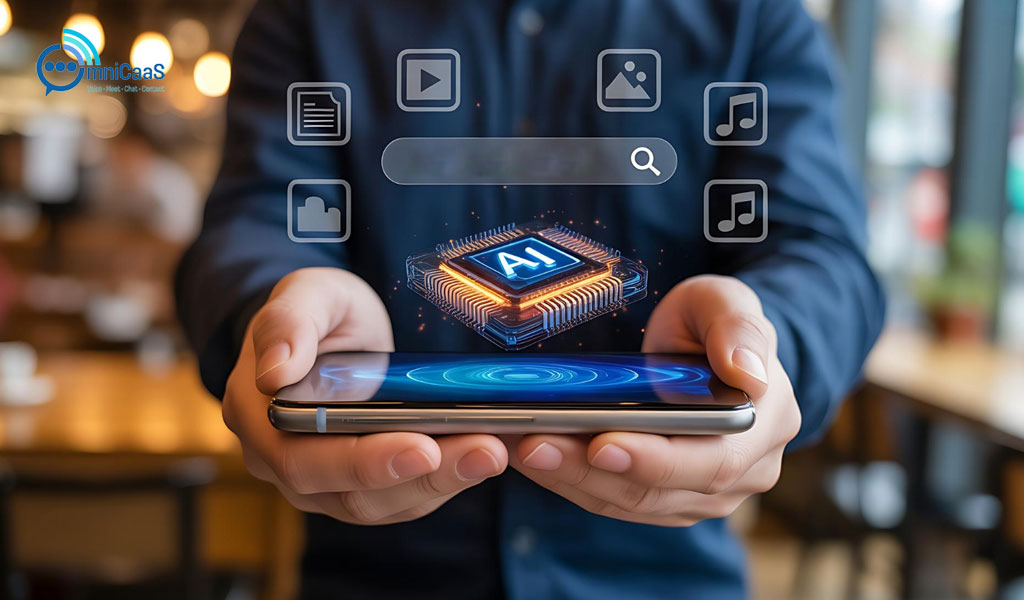
AI phone systems automate call handling, consumer relations, and administrative chores in the cloud.
AI-driven phone systems recognize genuine speech, evaluate caller intent, and reply intelligently, unlike static menus or human routing. AI phone operators handle calls, schedule appointments, qualify leads, and automatically transfer customers to the right department.
Modern AI phone systems typically include:
- Virtual receptionist AI
- Automated call handling
- Intelligent call routing
- Voice assistants
- Call analytics
- CRM integrations
- Real-time call transcription
- Automated follow-ups
Why Small Businesses Need Smarter Communication
Customer satisfaction in small businesses nowadays depends on promptness and accessibility.
Customers sometimes switch to competitors within minutes if a business doesn’t answer or routes calls poorly. Communication systems are essential to corporate success, not only a support role.
Small firms sometimes use outmoded phone systems that lack flexibility and intelligence. These systems use manual call transfers, voicemail messages, or limited staff availability, which can cause missed calls, delayed responses, and uneven client experiences. During hectic periods, personnel may struggle to handle calls and regular operations, losing leads and frustrating customers. Missing a few weekly opportunities can hurt revenue over time.
Intelligent AI phone systems and modern small company phone solutions solve these problems by automating and enhancing daily interactions. Automated call handling, intelligent routing, and commercial phone automation efficiently answer and direct calls without worker availability. Despite personnel absences, consumers receive prompt service.
Smarter communication boosts operational efficiency. Employees can focus on customer service and business growth by spending less time answering common questions, transferring calls, and monitoring voicemails. Communication solutions that interface with corporate tools automatically capture client data and track interactions, reducing human work.
How AI Is Changing Business Phone Systems
Business phone systems have become intelligent communication platforms. AI phone systems will automate repetitive jobs, improve response, and standardize consumer experiences in 2026. AI-driven systems use clever automation and real-time intelligence to speed up and improve communication instead of static menus and manual transfers.
1) Intelligent Call Understanding
Modern AI phones can understand real speech and answer calls without having to go through long menus on the keyboard. When clients tell the system what they want, it looks at the request and finds the best answer or route. This makes the encounter seem more like chatting to a real person.
Real-time voice recognition and caller intent detection in AI technologies cut down on confusion and call times. Call management makes businesses run more smoothly and gets consumers to the right department faster.
2) Business Phone Automation
One big benefit of AI-powered enterprise phone automation is that it cuts down on the need for people to answer calls. Staff can do more important work when chores are automated.
AI systems can answer the phone, give out information about the company, make appointments, keep track of customer data, and send follow-up messages. This automation makes sure that service is always available and cuts down on the labor that small teams with a lot of duties have to do.
3) Smarter Automated Call Handling
AI has significantly improved automated call handling by making routing decisions more intelligent and efficient. Instead of sending callers through fixed menu structures, AI systems analyze the request and connect callers with the right department or employee.
This reduces unnecessary call transfers and minimizes wait times. Calls are handled more efficiently, helping customers get answers faster while allowing businesses to manage higher call volumes without increasing staff.
4) Real-Time Call Data and Insights
AI phone systems convert everyday conversations into meaningful business insights. Instead of relying on guesswork, business owners can access data that reveals how customers interact with their company.
AI can automatically transcribe calls, generate conversation summaries, and identify common customer concerns. Businesses can track peak calling hours, monitor missed calls, and analyze response times. These insights help organizations improve service quality and make better operational decisions.
5) Personalized Customer Interactions
AI-powered phone systems make it easier to deliver personalized customer experiences. When customers call, the system can recognize returning callers and access previous interaction history.
This allows businesses to provide context-aware responses and more consistent service. Customers feel recognized and valued, while employees gain quick access to relevant information that helps them respond more effectively.
6) Faster Response Times
AI speeds up reaction times, which is crucial to consumer happiness. AI phones answer calls promptly and reduce delays caused by busy workers.
Calls are rapidly routed to the right place, and basic information is delivered automatically. Faster response times improve customer satisfaction and reduce lead loss to competitors.
Also Read AI Agents vs Traditional Call Handling: What’s the Real Difference?
The Future of Business Communications
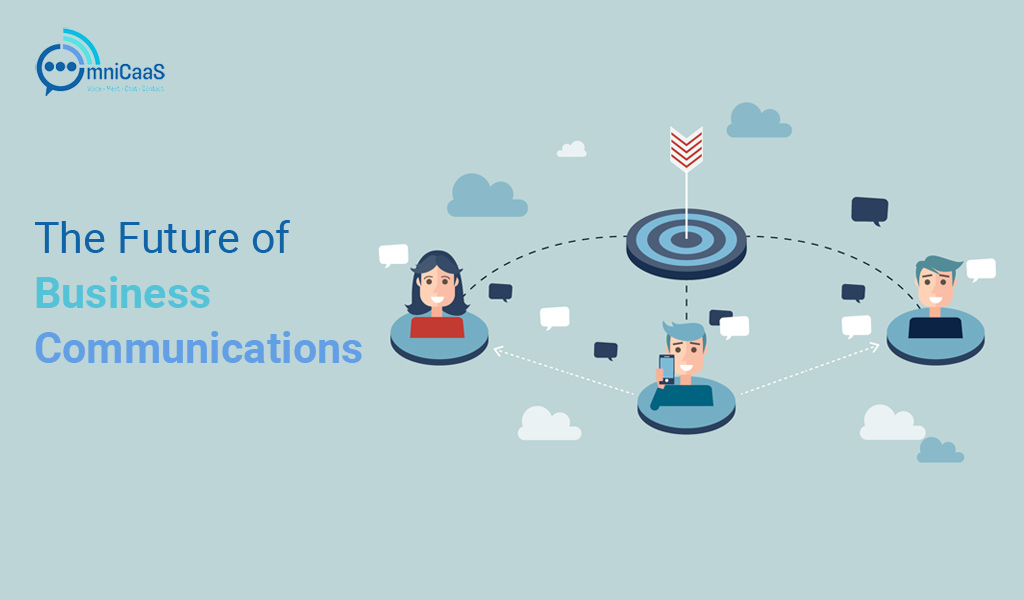
As AI phone systems get smarter, more automated, and more connected to routine corporate tasks, business communication is changing quickly.
These improvements mean that small firms may now use flexible small business phone solutions to communicate like big enterprises do.
Key trends shaping the future of business communications include:
1) More Advanced Business Phone Automation
One of the most significant developments shaping the future of business communication is the expansion of business phone automation. AI-powered systems are increasingly capable of handling routine communication tasks such as answering calls, scheduling appointments, providing business information, and capturing customer details. This level of automation allows businesses to manage higher call volumes without increasing staff, while ensuring customers receive immediate responses. As AI technology continues to advance, automated interactions will become more conversational and efficient, allowing businesses to maintain consistent service at all times.
2) Smarter Automated Call Handling
Another major shift is the improvement of automated call handling capabilities. Future AI-powered systems will be able to analyze caller intent with greater accuracy and route calls based on the nature and urgency of the request rather than relying on rigid menu structures. This will reduce call transfers and waiting times, helping customers reach the right person more quickly. Faster and more accurate call handling will improve both customer satisfaction and operational efficiency.
3) AI Voice Assistants That Sound More Human
Voice technologies change communication. Voice assistants and virtual receptionist AI technologies that are more conversational can deliver professional customer service without a receptionist. These AI assistants can handle complex conversations, multilingual support, and multi-step tasks like appointment scheduling and service requests. Thus, small businesses can provide enterprise-level service with fewer resources.
4) Data-Driven Communication Decisions
Business communication will increasingly use data-driven insights. AI phone systems can analyze conversations and create reports, and future platforms will provide deeper consumer behavior and communication trends insights. Businesses will better understand peak calling hours, consumer issues, and missed opportunities. These insights will help companies enhance procedures and customer service.
5) Greater Mobility and Remote Access
Flexible communication methods will grow with cloud technology. Modern AI phone systems allow employees to make and take calls from anywhere using mobile or desktop apps. Remote and hybrid teams can use this versatility for consistent customer service. Cloud-based communication will grow as companies adopt flexible work methods.
6) Personalizing Customer Experiences
Future communication technologies will emphasize personalization. AI platforms will recognize returning calls, access interaction history, and customize responses. Businesses may deliver more meaningful and efficient consumer encounters, strengthening relationships and enhancing satisfaction.
Supporting Remote and Hybrid Teams
As more companies implement remote or hybrid work models, corporate operations have evolved. Customers now expect the same level of service from employees in different offices. Modern AI phone systems enable teams to stay connected and react from anywhere with flexible communication capabilities.
Traditional phone systems were intended for offices where people had to be there to answer calls. This made things hard for people who worked from home, traveled for work, or worked in more than one place. Missed calls, late responses, and communication that wasn’t always clear were some of the most common problems. Modern cloud-based phone systems for small businesses let you handle calls from mobile devices, laptops, or web dashboards, getting rid of these constraints.
Business success will depend on intelligent communication in 2026 and beyond.
An AI-powered phone system is a crucial move toward the future of corporate communications for small firms trying to upgrade and stay ahead of the competition. Contact OmniCaas for details.
Post a Comment